Welcome to the official website of Nanbei Group


 008615890068607
008615890068607
008615890068607

Ultraviolet visible spectrophotometer and spectrometer are two kinds of commonly-used laboratory instruments. They are often mistaken for the same device in daily use. So, what are the differences between them?
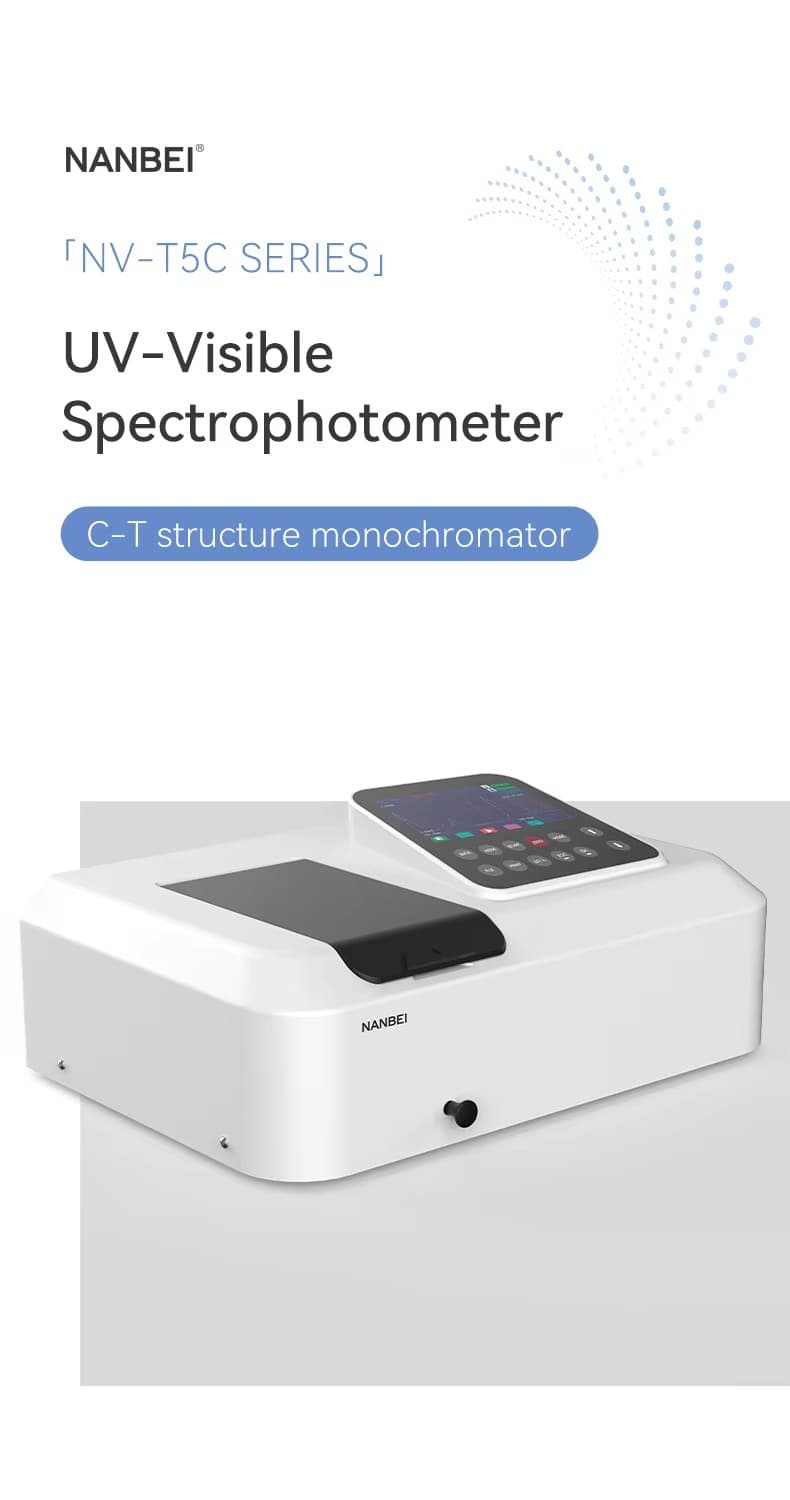
From a professional perspective, the UV visible spectrophotometer is a device for measuring wavelengths, while the spectrometer is a device that can generate its own spectral graphs. In practical applications, the UV-Vis spectrophotometer can directly decompose complex light into spectral lines. Spectrometers in the market are devices that measure the intensity of spectral lines at different wavelengths using photodetectors such as photomultiplier tubes. Such devices typically include a dispersive system, an entrance slit, an imaging system, and one or more exit slits, along with a dispersive element that can directly separate the electromagnetic radiation from the source to the desired wavelength or even measure it at a selected wavelength.
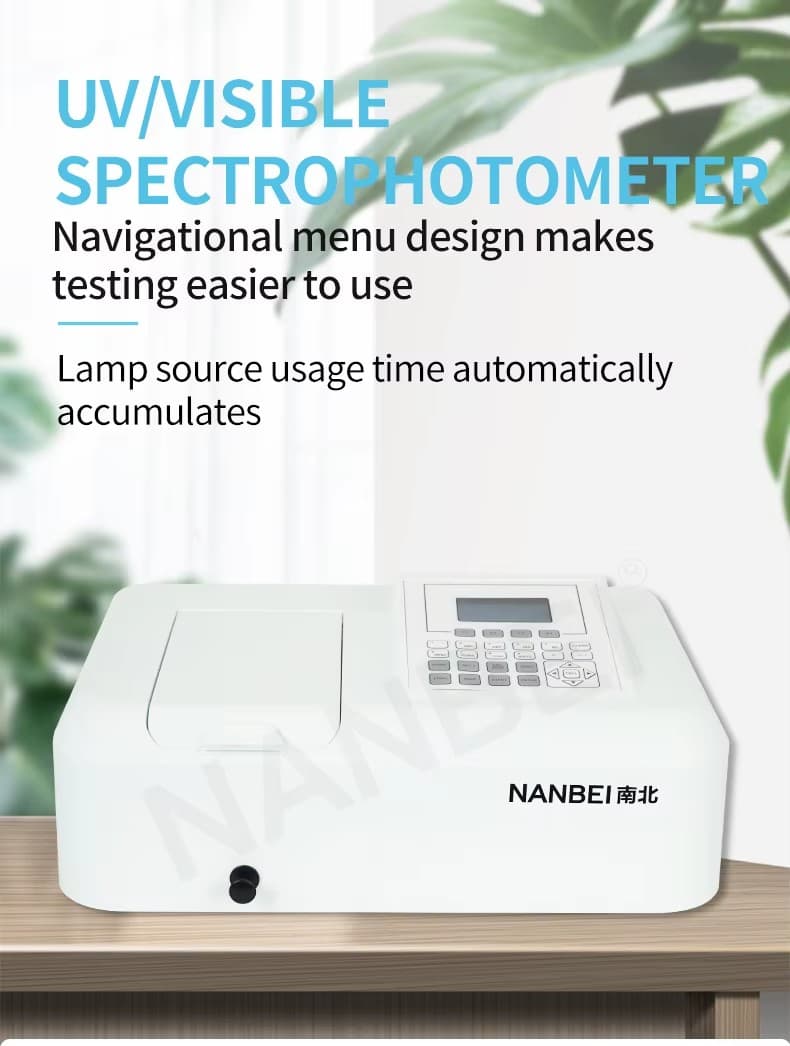
UV-visible spectrophotometers mostly use tungsten lamps as their light source, while spectrometers do not use tungsten lamps as their light source. In the market, such devices are divided into fluorescence spectrometers, scanning tunneling spectrometers, and nuclear magnetic resonance spectrometers, etc. The overall concept is much broader than that of ultraviolet-visible spectrophotometers.
Previous: No Information
Next: The FAI climbed 5.9 percent year-on-year in the first 11

 nanbeiinstrument@nanbei-china.com
 008615890068607
 Add: No. 72, Beihuan Road, Jinshui District, Zhengzhou,China
QR Code
Copyright © NANBEI INSTRUMENT LIMITED