Welcome to the official website of Nanbei Group


 008615890068607
008615890068607
008615890068607

1. Environmental Requirements for UV Photometer
- Temperature and humidity control: The temperature must be maintained between 15-30°C (optimally between 20-25°C), avoiding direct sunlight and heating/air conditioning. Relative humidity should be maintained between 45% and 65%. A dehumidifier should be used in humid environments to prevent moisture and mold on optical components.
- No interference factors: Keep away from dust sources (such as sample grinding areas, poorly ventilated areas), corrosive gases (such as acid and alkali laboratories), and strong vibration sources (such as centrifuges and water pumps) to avoid optical system deviation or damage to electronic components.
- Light conditions: The installation environment must be light-proof (such as using blackout curtains) to prevent strong light from interfering with the detector's capture of light signals and affecting the accuracy of absorbance readings.
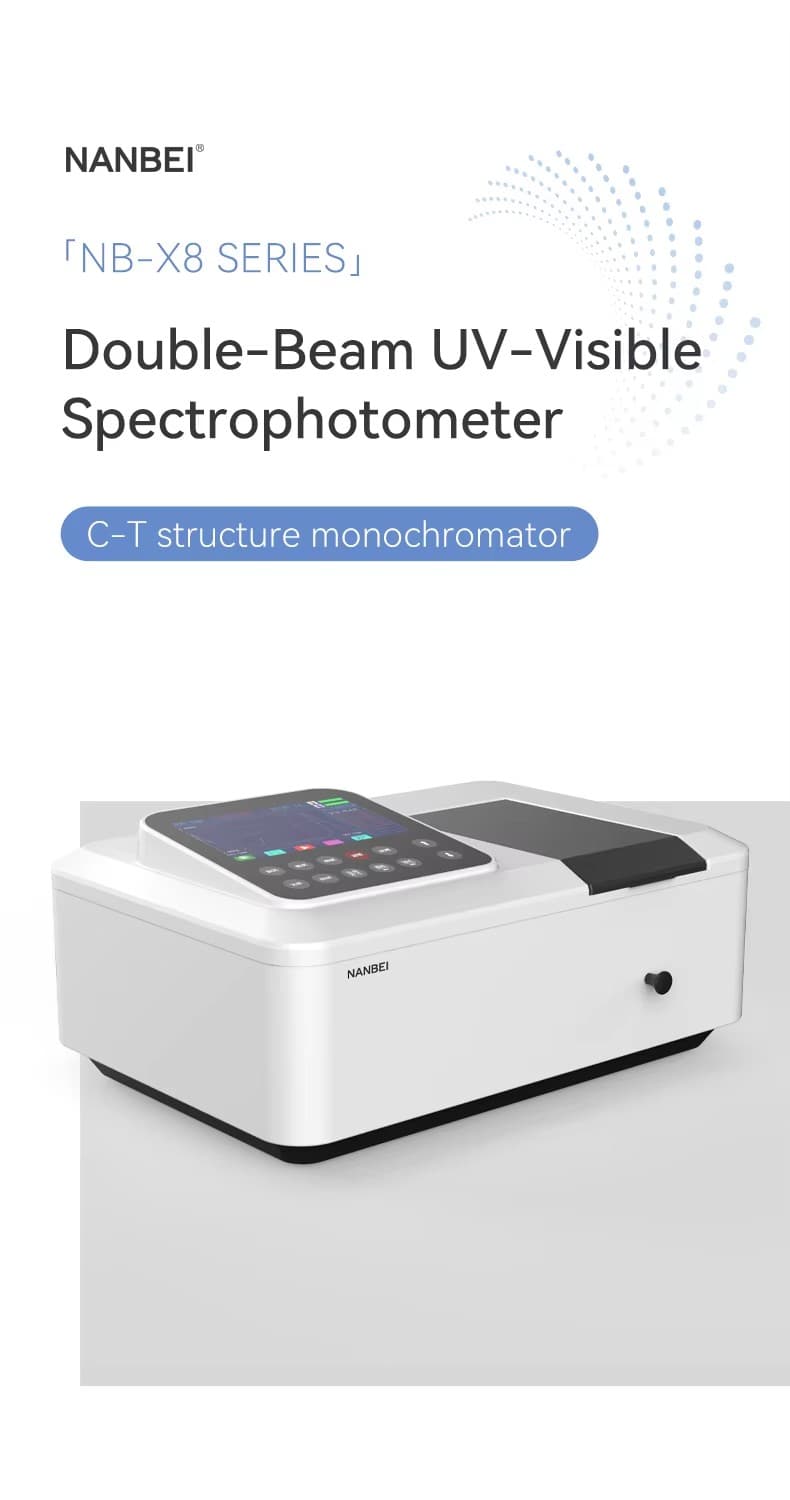
2. Power Requirements for Digital UV Photometer
- Stable voltage: Requires a 220V ± 10% 50Hz single-phase AC power supply. A regulated power supply (e.g., 1kVA or higher) is required to prevent voltage fluctuations that could cause light source instability and data drift.
- Grounding specifications: The equipment must be independently and reliably grounded (grounding resistance < 4Ω) to avoid electrostatic interference or leakage risks and protect the equipment circuits and operator safety.
- Independent power supply: Do not share the same socket/circuit with high-power equipment (such as ovens and induction cookers) to prevent instantaneous current shock from damaging the instrument.
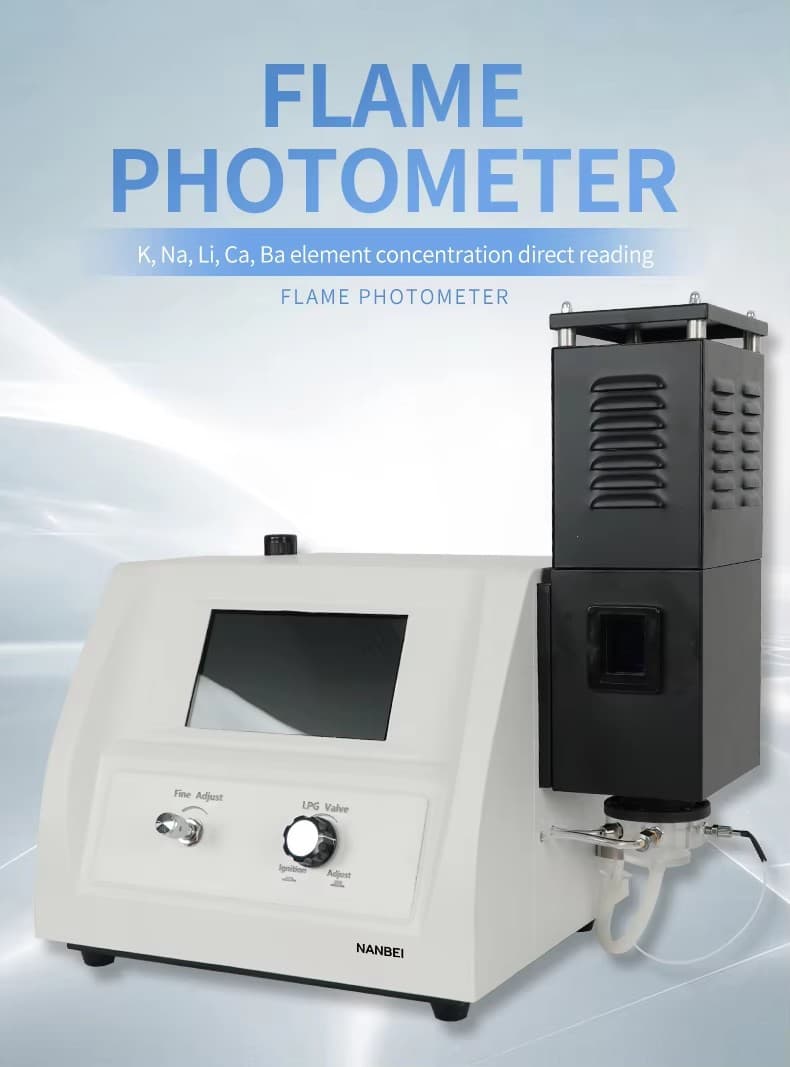
3. Space and Placement Requirements for Lab UV Photometer
- Surface requirements: The instrument must be placed on a level, stable bench (load-bearing capacity ≥ 50kg). The bench must be flat and level to prevent vibration during operation. The bench must be away from sinks to prevent water from splashing into the instrument.
- Space reservation: 10-20cm of space must be reserved around the instrument (especially on the back and sides) to ensure that the heat dissipation holes are well ventilated to avoid overheating and shutdown of the instrument due to poor heat dissipation.
Previous: No Information
Next: The FAI climbed 5.9 percent year-on-year in the first 11

 nanbeiinstrument@nanbei-china.com
 008615890068607
 Add: No. 72, Beihuan Road, Jinshui District, Zhengzhou,China
QR Code

Copyright © NANBEI INSTRUMENT LIMITED